Some tournaments run like clockwork. Players show up knowing exactly where to be, matches start on time, disputes are rare, and everyone leaves already looking forward to next year. Others feel like a series of small fires being put out all day. The difference almost never comes down to budget alone — it comes down to whether a handful of essential elements were handled well from the start.
For every successful sports tournament, proper planning, tournament management, and efficient execution make all the difference.
Here are the ten that matter most.
1. A Fair, Transparent Draw
Everything starts with the bracket. Players don’t expect an easy path, but they do expect a fair one — consistent player seeding, transparent bye allocation, and no unexplained placements. A draw that feels arbitrary undermines trust before a single match is played. Using reliable draw management software or tournament management software ensures fairness and accuracy while minimizing manual errors.
2. Realistic Scheduling
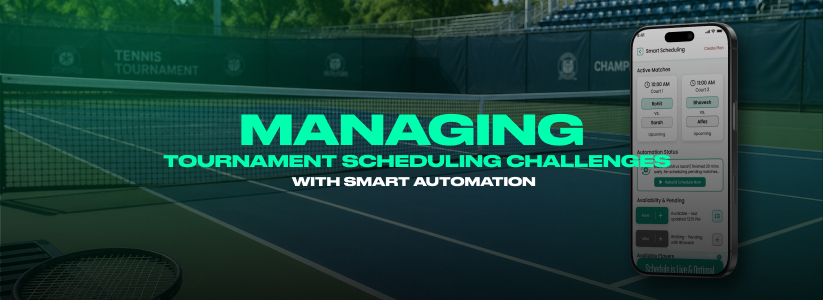
A schedule that looks clean on paper but ignores rest periods, travel time, or court turnover will fall apart by mid-morning. Good scheduling accounts for real match durations, weather contingencies, and the physical limits of both players and courts. Modern tournament scheduling software helps organizers create balanced match schedules and efficiently manage court availability.
3. Clear Communication Channels
Players, officials, and spectators all need to know what’s happening and when. Loudspeakers and printed sheets have their place, but they can’t reach everyone, everywhere, instantly. Events that communicate changes quickly through sports tournament software, mobile notifications, or live updates avoid the confusion that quietly ruins a player’s day.
4. Reliable Venue and Court Management
Nothing derails a tournament faster than a double-booked court or a facility that wasn’t properly reserved. Successful events lock in venue logistics early and keep a real-time view of which courts are available, in use, or affected by weather. Effective court management software and tournament planning tools make venue management significantly easier.
5. Well-Trained, Well-Supported Officials
Umpires and referees carry more of a tournament’s reputation than most players realize. Officials need clear assignments, reasonable workloads, and support from organizers when disputes arise — not last-minute scrambling to cover a court nobody remembered to staff. Strong sports event management practices ensure officials can focus on delivering fair and professional matches.
6. Efficient Registration and Check-In
A tournament’s first impression happens at the registration desk. Long lines, lost paperwork, or confusion about eligibility set a frustrating tone before anyone picks up a racket. Streamlined check-in, ideally using online tournament registration and digital player management, keeps the day starting on the right note.
7. Smart Use of Technology
This is where many of the other elements come together. Modern tournament management software can automate player seeding, manage live scheduling changes, generate tournament brackets, and push instant updates to players — turning what used to take a team of volunteers all weekend into a process that runs itself in the background.
Tenniskhelo is a strong example of this in the tennis world, combining draw management, tournament scheduling, and real-time player communication into a single platform built specifically for the sport, rather than forcing organizers to stitch together spreadsheets and group chats.
8. A Plan for the Unexpected
Rain delays, injury withdrawals, and equipment failures aren’t edge cases — they’re a normal part of running any event. Tournaments that survive them gracefully are the ones with a plan already in place, not the ones improvising for the first time under pressure. Advanced sports tournament management software allows organizers to quickly adjust schedules and notify players when unexpected situations arise.
9. Genuine Player Experience Focus
Prize money and trophies matter, but the details players remember are smaller: shaded seating between matches, water available without a long walk, someone answering questions without an attitude. Tournaments that treat the player experience as a priority, not an afterthought, build loyalty that brings competitors back year after year and strengthen their reputation as a well-organized sports tournament.
10. Strong Sponsor and Community Support
Behind every well-funded, well-organized tournament is usually a solid relationship with sponsors and the local community. Events that deliver real value to their partners — visibility, engagement, and a professional atmosphere — find it far easier to secure the resources needed to keep improving each season. Effective sports event management also helps strengthen long-term sponsor relationships.
Why These Elements Work Together
None of these ten elements operates in isolation. A fair draw doesn’t mean much if communication is poor. Great technology doesn’t fix a venue that was never properly booked. Success comes from treating a tournament as a connected system, where tournament scheduling, draw management, player communication, officiating, and the overall player experience all reinforce each other rather than existing as separate checklist items handled by different people who never talk to each other.
Conclusion
The best tournaments rarely succeed by accident. They succeed because organizers paid attention to the fundamentals — fairness, clear communication, reliable logistics, and genuine care for the player experience — and backed those fundamentals with powerful tournament management software, efficient sports tournament management practices, and modern tournament scheduling tools built to support them rather than slow them down. Get these ten elements right, and everything else about running a great event tends to follow.
Frequently Asked Questions (FAQs)
1. What are the most important elements of a successful tournament?
A successful tournament depends on fair draw management, realistic scheduling, efficient registration, clear communication, reliable venue management, trained officials, strong sponsor support, contingency planning, modern tournament management software, and an excellent player experience.
2. Why is draw management important in sports tournaments?
Draw management ensures fair player seeding, transparent bracket creation, and balanced match pairings. Using draw management software reduces manual errors and helps maintain the integrity of the competition.
3. How does tournament management software improve event organization?
Tournament management software automates registrations, scheduling, player seeding, bracket generation, live score updates, and communication, allowing organizers to manage events more efficiently while reducing administrative workload.
4. What features should good tournament management software include?
A quality sports tournament management software should include online registration, draw management, tournament scheduling, court management, live scoring, player notifications, reporting, and sponsor management features.
5. Why is player communication important during a tournament?
Effective communication keeps players informed about schedule changes, court assignments, weather delays, and match results. Real-time updates through tournament software improve the overall player experience and reduce confusion.
6. How can technology help make a tournament more successful?
Modern tournament management systems streamline every aspect of event organization, from registration and scheduling to live updates and reporting, helping organizers deliver a more professional, efficient, and enjoyable tournament experience.